8 Tools to Reduce Involuntary Churn in Your Stripe Account

The Silent Revenue Killer
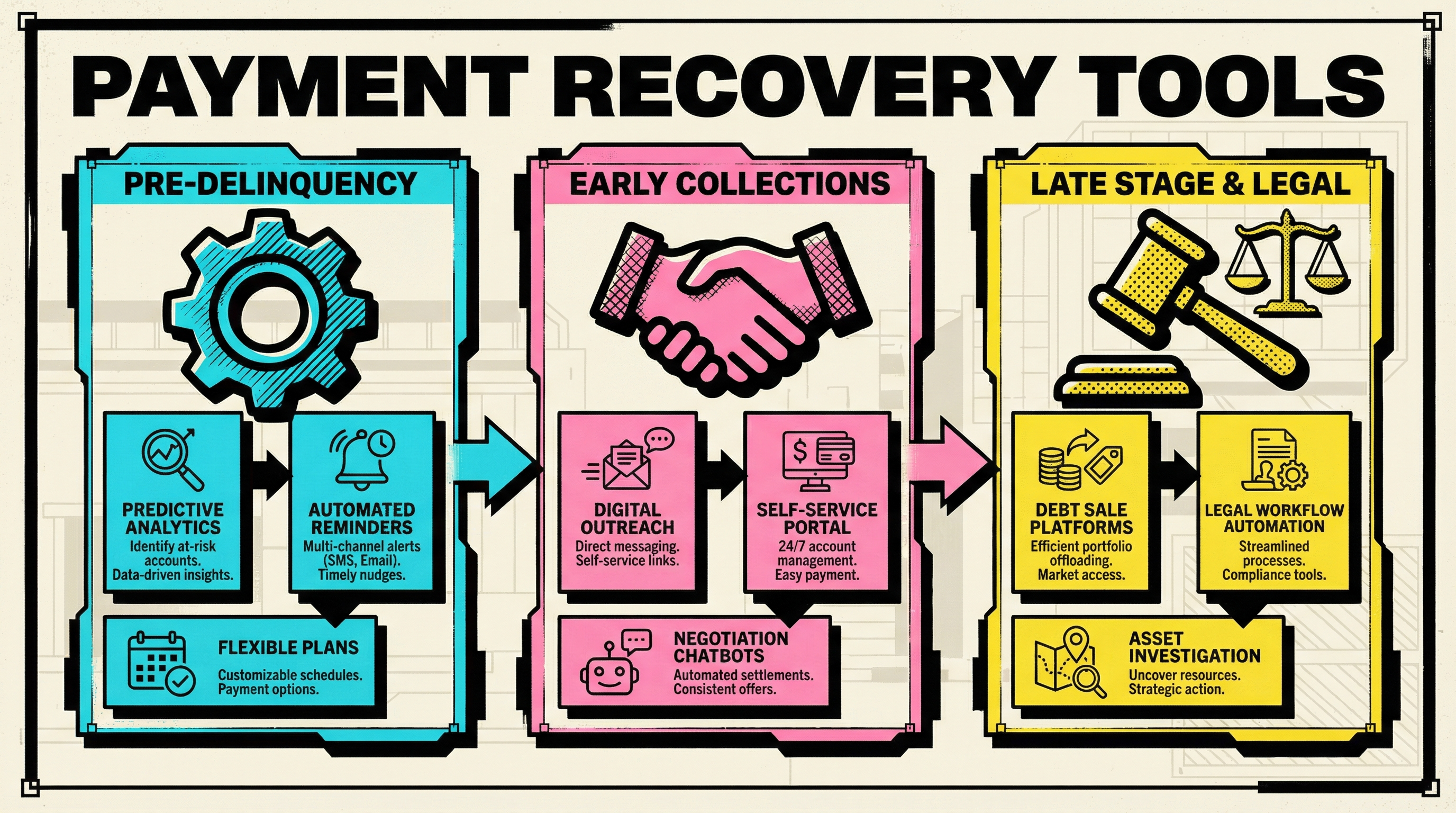
Every month, thousands of SaaS businesses lose 5-15% of their recurring revenue to involuntary churn. Not because customers wanted to leave. Not because they found a competitor. But because their credit card expired, their bank declined the charge, or their payment method failed.
The average SaaS company loses $1.2 million annually to involuntary churn, according to research from Paddle. Yet most founders don't realize the extent of the problem until they run their first failed payment audit.
The good news? Unlike voluntary churn, involuntary churn is almost entirely preventable. You just need the right tools.
This guide covers 8 proven involuntary churn tools that integrate with Stripe to help you recover more revenue, automate dunning, and prevent payment failures before they happen.
1. Stripe Billing Smart Retries (Built-In)
Price: Free (included with Stripe)
Best for: Basic automated retry logic
Before you invest in external tools, maximize what Stripe already gives you. Stripe Billing includes Smart Retries, an ML-powered retry system that automatically attempts to charge failed payments at optimal times.
Stripe analyzes billions of transactions to determine when a specific card is most likely to succeed. Instead of blindly retrying every 3 days, Smart Retries might attempt a charge at 2am on a Tuesday for one customer and 4pm on a Friday for another.
Key features:
- Automatic retry scheduling based on ML predictions
- No additional cost
- Works with Stripe Billing subscriptions
- Handles soft declines (insufficient funds, exceeds limit)
Limitations:
- Only works within Stripe's default dunning window
- No customization of retry timing
- Doesn't handle card expiry notifications
- No A/B testing of recovery emails
Recovery rate improvement: 10-15% over manual retries
Setup: Enabled by default in Stripe Billing. Go to Settings → Billing → Smart Retries to verify it's active.
2. Stripe Radar for Fraud Detection
Price: 0.05% per transaction (included with Stripe)
Best for: Preventing legitimate declines from fraud flags
Here's a problem most founders don't think about: legitimate customers getting declined because their transaction looks suspicious.
Stripe Radar uses machine learning to distinguish between fraud and legitimate payments. When configured properly, it reduces false positives that cause unnecessary involuntary churn.
Key features:
- ML-based fraud detection
- Customizable risk rules
- 3D Secure authentication when needed
- Automatic blocking of high-risk payments
Why this matters for churn:
If your fraud detection is too aggressive, you'll decline legitimate recurring payments. If it's too loose, you'll deal with chargebacks that trigger actual churn. Radar helps you find the balance.
Best practice: Review your Radar rules quarterly. Look for patterns in false declines and adjust your risk tolerance accordingly.
3. Stunning (Dunning Management Platform)
Price: $99-$499/month (based on MRR)
Best for: Advanced dunning campaigns and payment recovery
Stunning is a dedicated dunning platform built specifically for Stripe. It handles the entire payment recovery workflow from first decline to cancellation.
Key features:
- Multi-channel dunning (email, SMS, in-app)
- Customizable retry schedules (beyond Stripe's limits)
- A/B testing for recovery messages
- Paused subscriptions instead of cancellations
- Customer portal for payment updates
- Detailed recovery analytics
Why founders choose Stunning:
Stripe's built-in dunning emails are basic. Stunning lets you create sophisticated campaigns that match your brand voice and test different approaches.
You can pause subscriptions instead of canceling them, giving customers 30-60 days to update payment methods without losing access. This alone can recover 20-30% more revenue.
Recovery rate improvement: 30-40% over Stripe defaults
Best for: SaaS companies with $50k+ MRR who want dedicated dunning infrastructure.
4. Churnkey (Retention Platform)
Price: $250-$1,000/month
Best for: Combining involuntary and voluntary churn prevention
Churnkey started as a cancellation flow tool but has evolved into a full retention platform with strong involuntary churn features.
Key features:
- Payment failure recovery flows
- Cancellation deflection surveys
- Pause subscription options
- Downgrade offers
- Win-back campaigns
- Custom retry logic
Why it's different:
Churnkey treats involuntary churn as part of your broader retention strategy. When a payment fails, customers see a branded recovery page with options to update their card, pause their subscription, or downgrade to a cheaper plan.
This "options-first" approach converts better than aggressive dunning emails.
Recovery rate improvement: 35-45% over Stripe defaults
Best for: SaaS companies that want to address both voluntary and involuntary churn with one tool.
5. Butter Payments (Payment Optimization)
Price: Revenue share (typically 10-15% of recovered revenue)
Best for: High-volume SaaS with complex payment routing
Butter specializes in payment optimization. They use multiple payment processors, smart routing, and advanced retry logic to maximize successful transactions.
Key features:
- Multi-processor routing (Stripe + backup processors)
- Network tokens for higher approval rates
- Account updater integration
- Real-time payment switching
- Dedicated recovery support
How it works:
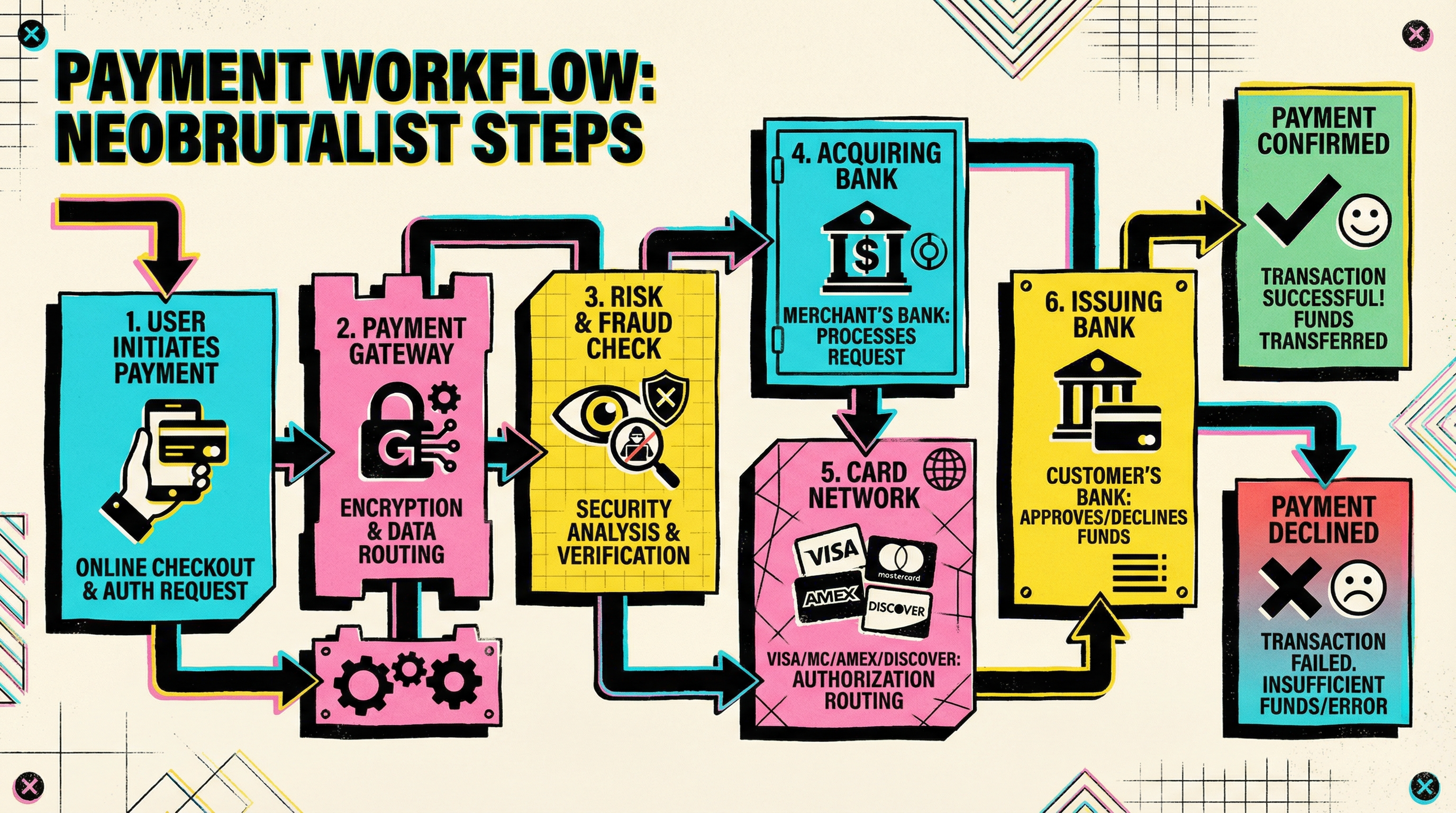
When a Stripe payment fails, Butter automatically routes the retry through an alternate processor or payment method. They also handle card expiry updates automatically through Visa and Mastercard's account updater programs.
Recovery rate improvement: 40-60% over Stripe alone (varies by industry)
Best for: Companies processing $500k+ MRR who can justify the revenue share model.
6. Paddle Retain (Dunning for Paddle + Stripe)
Price: Free for Paddle merchants, $199/month for Stripe
Best for: SaaS companies using Paddle or considering migration
Paddle Retain is the dunning system built by Paddle (the merchant of record platform). They recently opened it to Stripe users as a standalone product.
Key features:
- Intelligent retry timing
- Multi-channel recovery (email, SMS, in-app)
- Card expiry prevention
- Grace period management
- Recovery analytics dashboard
Why it's effective:
Paddle processes millions in SaaS revenue and has tested every dunning variation imaginable. Retain bundles their best practices into a plug-and-play system.
Their card expiry prevention alone can eliminate 20-30% of involuntary churn since expired cards are the #1 cause of failed payments that destroy MRR.
Recovery rate improvement: 30-40% over Stripe defaults
Best for: SaaS companies with strong email engagement rates (since Retain leans heavily on email-based recovery).
7. Baremetrics Recover (Analytics + Dunning)
Price: $108-$508/month (includes analytics platform)
Best for: Companies that want dunning + revenue analytics in one tool
Baremetrics is primarily a SaaS analytics platform, but their Recover add-on handles payment recovery with a focus on data-driven optimization.
Key features:
- Automated dunning emails
- Credit card expiry notifications
- Failed payment analytics
- Revenue recovery tracking
- Integrates with Baremetrics dashboards
- A/B testing for recovery campaigns
Why founders like it:
If you're already using Baremetrics for analytics, Recover is a natural extension. You get both the dunning tools and the data to measure what's working.
Their analytics show you exactly which Stripe decline codes are costing you the most revenue, so you can prioritize fixes.
Recovery rate improvement: 25-35% over Stripe defaults
Best for: Data-driven founders who want dunning integrated with their revenue dashboard.
8. ProfitWell Retain (Enterprise Dunning)
Price: Custom (revenue share model)
Best for: Enterprise SaaS with $1M+ MRR
ProfitWell (now part of Paddle) offers Retain as a fully managed dunning service. They handle everything: setup, optimization, and ongoing management.
Key features:
- White-glove setup and management
- Custom retry algorithms
- Multi-channel campaigns
- Dedicated dunning specialists
- Advanced segmentation
- Credit card updating services
How it's different:
Retain is a service, not just software. ProfitWell assigns a team to manage your dunning program, run experiments, and optimize recovery rates on your behalf.
They charge based on revenue recovered, so there's no upfront cost.
Recovery rate improvement: 40-70% over Stripe defaults (varies widely)
Best for: High-growth SaaS companies that want experts managing their dunning program instead of building in-house.
Choosing the Right Involuntary Churn Tools for Your Business
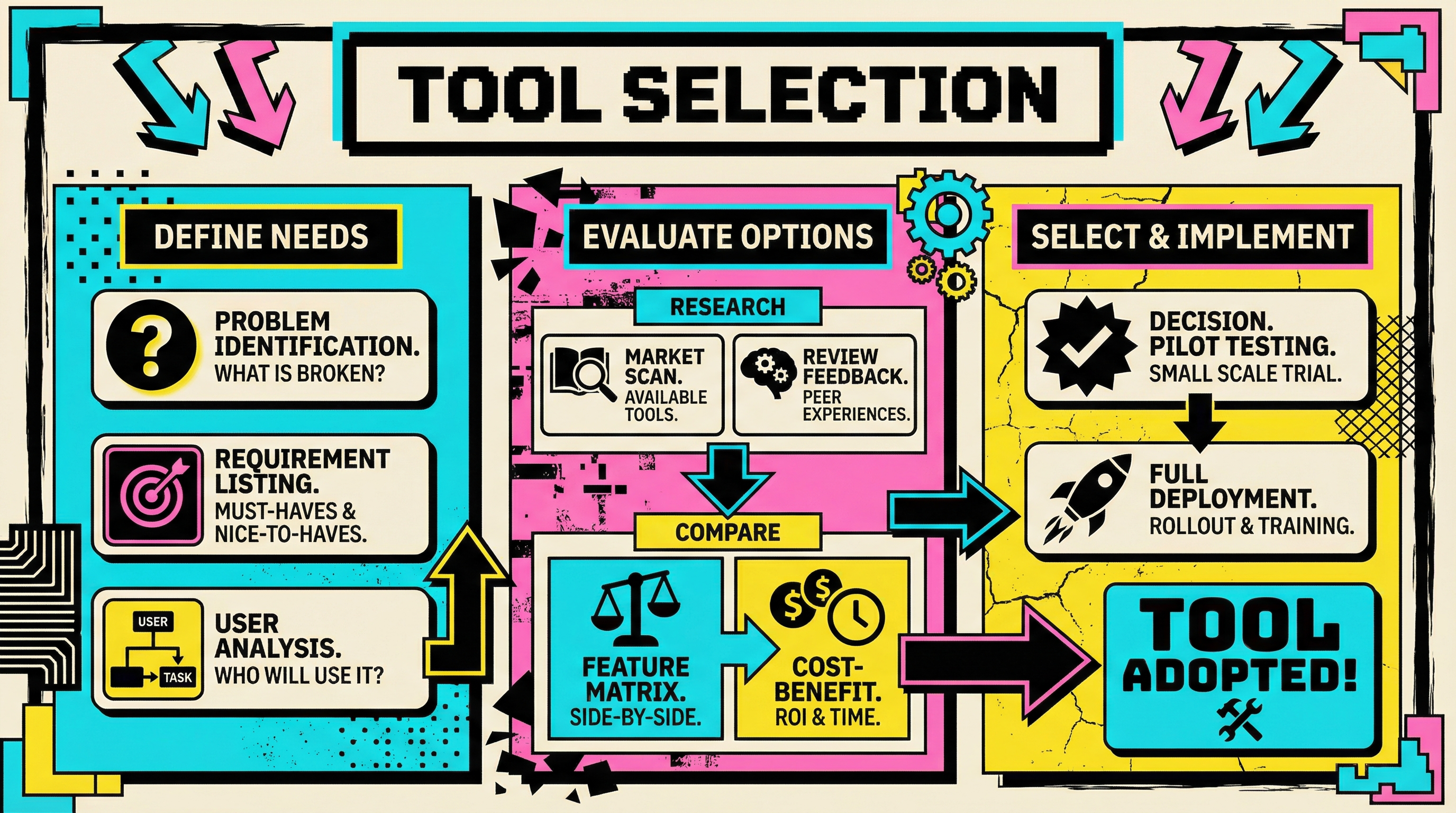
With 8 options (plus dozens more), how do you decide?
Here's a decision framework based on your current MRR:
Under $10k MRR
Start with Stripe Billing Smart Retries (free) and focus on getting the basics right:
- Enable Smart Retries
- Customize your dunning emails in Stripe
- Set up credit card expiry notifications
- Monitor your recovery rate
Don't pay for external tools yet. Your revenue doesn't justify the cost, and manual intervention still works at this scale.
$10k-$50k MRR
Add Baremetrics Recover or Stunning depending on your needs:
- Choose Baremetrics if you want analytics + dunning
- Choose Stunning if you want advanced retry customization
- Set up multi-channel recovery (email + SMS)
- Start A/B testing your recovery messages
$50k-$500k MRR
Invest in Churnkey or Stunning with advanced features:
- Multi-channel campaigns (email, SMS, in-app)
- Subscription pausing instead of cancellation
- Dedicated customer portal for payment updates
- Regular optimization based on recovery data
$500k+ MRR
Consider Butter Payments or ProfitWell Retain:
- Multi-processor routing for maximum approval rates
- Dedicated dunning specialists
- Custom recovery programs
- White-glove optimization
At this scale, involuntary churn costs you $50k-$100k+ annually. The investment in premium tools pays for itself.
Beyond Tools: The Processes That Matter
No tool will save you if your fundamentals are broken. Before you invest in dunning platforms, make sure you have:
1. Clear payment failure notifications
Customers should know within hours when their payment fails, not days later.
2. Easy payment update flows
One-click links to update payment methods. No login required.
3. Grace periods, not instant cancellations
Give customers 7-14 days to fix payment issues before canceling their account.
4. Proactive card expiry prevention
Email customers 30 days before their card expires, not after it fails.
5. Support team alignment
Your support team should have visibility into payment status and recovery attempts.
Measuring What Matters
Whichever tools you choose, track these metrics:
- Recovery rate: % of failed payments that eventually succeed
- Time to recovery: How long it takes to recover a payment
- Channel effectiveness: Which recovery channels (email/SMS/in-app) work best
- Decline reason breakdown: Which payment failure types cost you the most
- Customer lifetime value by recovery method: Do recovered customers churn faster?
The best tool is the one that measurably improves these numbers, not the one with the most features.
Start with an Audit
Before you invest in any tool, run an audit of your current Stripe account. You might discover that your recovery rate is already strong, or you might find that 80% of your involuntary churn comes from a single decline code that a simple fix could solve.
ChurnBot offers a free Stripe churn audit that analyzes your failed payments, calculates your involuntary churn rate, and identifies exactly where you're losing revenue. It takes 2 minutes and requires no Stripe permissions beyond read-only access.
Once you know where you stand, you can choose the right tools to close the gap.
Related Posts

7 Failed Payment Segments Every Stripe Team Should Track


The Anatomy of a Failed Payment: What Actually Happens
How healthy is your Stripe account?
Get a free churn health report. Find pending cancellations, failed payments, and expiring cards putting your MRR at risk.
Run Free Audit